Buy kamagraonlinekopen.be ?
We are moving the project
kamagraonlinekopen.be .
Are you interested in purchasing the domain
kamagraonlinekopen.be ?
domain@kv-gmbh.de · 0541-91531010
Buy kamagraonlinekopen.be ?
Do tomatoes taste chemically?
Tomatoes do not taste chemically. The taste of tomatoes is a result of the natural compounds present in the fruit, such as sugars, acids, and volatile compounds. These compounds contribute to the sweet, tangy, and savory flavor of tomatoes. While tomatoes may be treated with chemicals during cultivation, the taste of the fruit itself is not chemically derived. **
Why does glass shatter chemically?
Glass shatters chemically because of the way its molecular structure responds to stress. Glass is an amorphous solid, meaning its molecules are not arranged in a regular pattern like in a crystalline solid. When stress is applied to glass, the disordered molecular structure makes it more susceptible to breaking. Additionally, the presence of microscopic flaws or impurities in the glass can also contribute to its tendency to shatter when subjected to force. **


Similar search terms for Chemically
Top-Angebote
Products related to Chemically:
-
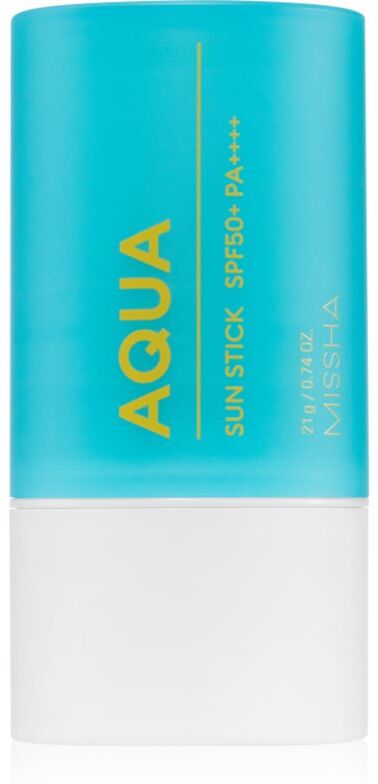
Missha All Around Safe Block Aqua Sun Stick crème solaire en stick pour une hydratation intense SPF 50+ 21 gMissha All Around Safe Block Aqua Sun Stick, 21 g, Protection contre le rayonnement solaire pour femme, Protégez votre peau du vieillissement prématuré et des autres dégradations causées par le soleil. La peau délicate du visage est beaucoup plus sensible que celle du reste du corps. En outre, elle est exposée aux rayons du soleil toute l'année. C'est pourquoi il est important de ne pas sous-estimer sa protection. Le produit de bronzage Missha All Around Safe Block Aqua Sun Stick protège efficacement la peau de votre visage contre les rayons UV et vous aide ainsi à prévenir les coups de soleil ou l'apparition de taches pigmentaires et à diminuer l'élasticité de la peau, la perte de collagène et autres signes de l’âge. Le produit : apaise la peau irritée et rougie protège la peau contre les rayons UVA et UVB application pratique et hygiénique réduction des taches pigmentaires donne de la fraîcheur et de la luminosité à votre peau rétracte les pores dilatés hydrate intensément unifie le teint de la peau nourrit en profondeur Composition du produit : niacinamide : augmente l’éclat de la peau, réduit les taches pigmentaires, unifie le teint, lisse les irrégularités de texture, aide à renforcer la barrière cutanée protectrice et à améliorer ainsi le niveau d’hydratation de la peau acide hyaluronique : fixe une grande quantité d’eau et hydrate intensément adénosine – possède des propriétés apaisantes et prévient les démangeaisons produit végétalien Mode d’emploi : Appliquez le produit environ 30 minutes avant d’exposer la peau aux rayons du soleil. Remettez-en une couche si nécessaire.21,90 €*Shipping: 3,45 €Secure redirect to the provider
-
How does tartar form chemically?
Tartar, also known as dental calculus, forms chemically through a process called mineralization. This occurs when plaque, a sticky film of bacteria and food particles, is not removed from the teeth and hardens into tartar. The minerals in saliva, such as calcium and phosphate, combine with the bacteria and food particles in the plaque to form a hard, yellowish deposit on the teeth. Once tartar has formed, it can only be removed by a dental professional using specialized tools. **
-
Is it always chemically treated?
No, not all wool is chemically treated. Some wool is processed using environmentally friendly methods that do not involve chemical treatments. However, some wool may undergo chemical treatments to achieve certain properties such as softness, colorfastness, or resistance to shrinking. It is important to check the label or inquire with the manufacturer to determine if the wool has been chemically treated. **
-
What happens chemically when iodine sublimes?
When iodine sublimes, it undergoes a phase transition from a solid to a gas without passing through the liquid phase. This process occurs due to the weak intermolecular forces between iodine molecules, which allows them to easily transition from a solid to a gas. The sublimation of iodine is an endothermic process, meaning it requires energy input to break the intermolecular forces holding the solid together. **
-
Why can't polyester be dyed chemically?
Polyester is a synthetic fiber made from petroleum-based products, which makes it difficult for dyes to chemically bond with the fibers. Unlike natural fibers such as cotton or wool, polyester does not have the same chemical structure that allows for easy dye absorption. Additionally, the smooth surface of polyester fibers repels water-based dyes, making it challenging for the dye to penetrate and adhere to the fibers. As a result, polyester is typically dyed using a process called disperse dyeing, where the dye is dispersed in a hot water bath and forced into the fibers under high pressure and temperature. **
How can one compare dyes chemically?
One can compare dyes chemically by analyzing their molecular structure, composition, and chemical properties. Techniques such as spectroscopy, chromatography, and mass spectrometry can be used to identify the specific chemical components of dyes and compare their similarities and differences. Additionally, chemical tests can be performed to determine the reactivity and behavior of dyes under different conditions. By examining these chemical characteristics, one can make comparisons between different dyes and understand their chemical properties. **
How can water be chemically heated?
Water can be chemically heated through a process called exothermic reactions. This involves mixing two or more substances that react with each other and release heat as a byproduct. For example, mixing calcium oxide with water produces calcium hydroxide and releases a significant amount of heat. Another method is through the use of chemical heating pads, which contain iron powder and water. When the iron powder reacts with the water, it produces heat as a result of the chemical reaction. **
Top-Angebote
Products related to Chemically:
-
Apivita Bee Sun Safe Daily Age Repair Fluid SPF50 fluide protecteur anti-rides SPF 50 50 mlApivita Bee Sun Safe Daily Age Repair Fluid SPF50, 50 ml, Protection contre le rayonnement solaire pour femme, Protégez votre peau du vieillissement prématuré et des autres dégradations causées par le soleil. La peau délicate du visage est beaucoup plus sensible que celle du reste du corps. En outre, elle est exposée aux rayons du soleil toute l'année. C'est pourquoi il est important de ne pas sous-estimer sa protection. Le produit de bronzage Apivita Bee Sun Safe Daily Age Repair Fluid SPF50 protège efficacement la peau de votre visage contre les rayons UV et vous aide ainsi à prévenir les coups de soleil ou l'apparition de taches pigmentaires et à diminuer l'élasticité de la peau, la perte de collagène et autres signes de l’âge. Le produit : protège la peau contre les rayons UVA et UVB protège la peau contre le vieillissement prématuré empêche la pigmentation inégale de la peau apporte à la peau l’hydratation dont elle a besoin le produit est conçu pour un temps ensoleillé, froid et même venteux réduction des taches pigmentaires le produit n’est pas comédogène Mode d’emploi : Appliquez sur une peau propre avant l’exposition au soleil. Appliquez les solaires en quantités suffisantes. Répétez selon les besoins, essentiellement après le bain, en cas de transpiration ou lorsque vous venez de sécher votre peau avec une serviette.14,50 €*Shipping: 3,45 €Secure redirect to the provider
-
Missha All Around Safe Block Cotton Sun Stick crème solaire visage waterproof en stick SPF 50+ 17 gMissha All Around Safe Block Cotton Sun Stick, 17 g, Protection contre le rayonnement solaire pour femme, Protégez votre peau du vieillissement prématuré et des autres dégradations causées par le soleil. La peau délicate du visage est beaucoup plus sensible que celle du reste du corps. En outre, elle est exposée aux rayons du soleil toute l'année. C'est pourquoi il est important de ne pas sous-estimer sa protection. Le produit de bronzage Missha All Around Safe Block Cotton Sun Stick protège efficacement la peau de votre visage contre les rayons UV et vous aide ainsi à prévenir les coups de soleil ou l'apparition de taches pigmentaires et à diminuer l'élasticité de la peau, la perte de collagène et autres signes de l’âge. Le produit : minimise la production excessive de sébum cutané protège la peau contre le vieillissement prématuré apporte l’hydratation et les nutriments dont la peau a besoin protège la peau contre les rayons UVA et UVB application pratique et hygiénique apaise la peau irritée résiste à l’eau hypoallergénique Composition du produit : extrait de Gotu kola : restaure la barrière cutanée, la renforce, soutient les processus régénératifs, atténue les irritations, lutte contre les rougeurs et la sécheresse, présente des effets antioxydants, hydrate la peau, aide à prévenir le vieillissement cutané panthénol : exerce une action hydratante et apaisante, réduit les irritations, les rougeurs, la sécheresse et les sensations d’inconfort produit végétalien Mode d’emploi : Appliquez sur une peau propre avant l’exposition au soleil. Appliquez les solaires en quantités suffisantes et à plusieurs reprises.21,90 €*Shipping: 3,45 €Secure redirect to the provider
-
Missha All Around Safe Block Aqua Sun Stick crème solaire en stick pour une hydratation intense SPF 50+ 21 gMissha All Around Safe Block Aqua Sun Stick, 21 g, Protection contre le rayonnement solaire pour femme, Protégez votre peau du vieillissement prématuré et des autres dégradations causées par le soleil. La peau délicate du visage est beaucoup plus sensible que celle du reste du corps. En outre, elle est exposée aux rayons du soleil toute l'année. C'est pourquoi il est important de ne pas sous-estimer sa protection. Le produit de bronzage Missha All Around Safe Block Aqua Sun Stick protège efficacement la peau de votre visage contre les rayons UV et vous aide ainsi à prévenir les coups de soleil ou l'apparition de taches pigmentaires et à diminuer l'élasticité de la peau, la perte de collagène et autres signes de l’âge. Le produit : apaise la peau irritée et rougie protège la peau contre les rayons UVA et UVB application pratique et hygiénique réduction des taches pigmentaires donne de la fraîcheur et de la luminosité à votre peau rétracte les pores dilatés hydrate intensément unifie le teint de la peau nourrit en profondeur Composition du produit : niacinamide : augmente l’éclat de la peau, réduit les taches pigmentaires, unifie le teint, lisse les irrégularités de texture, aide à renforcer la barrière cutanée protectrice et à améliorer ainsi le niveau d’hydratation de la peau acide hyaluronique : fixe une grande quantité d’eau et hydrate intensément adénosine – possède des propriétés apaisantes et prévient les démangeaisons produit végétalien Mode d’emploi : Appliquez le produit environ 30 minutes avant d’exposer la peau aux rayons du soleil. Remettez-en une couche si nécessaire.21,90 €*Shipping: 3,45 €Secure redirect to the provider
-
Do tomatoes taste chemically?
Tomatoes do not taste chemically. The taste of tomatoes is a result of the natural compounds present in the fruit, such as sugars, acids, and volatile compounds. These compounds contribute to the sweet, tangy, and savory flavor of tomatoes. While tomatoes may be treated with chemicals during cultivation, the taste of the fruit itself is not chemically derived. **
-
Why does glass shatter chemically?
Glass shatters chemically because of the way its molecular structure responds to stress. Glass is an amorphous solid, meaning its molecules are not arranged in a regular pattern like in a crystalline solid. When stress is applied to glass, the disordered molecular structure makes it more susceptible to breaking. Additionally, the presence of microscopic flaws or impurities in the glass can also contribute to its tendency to shatter when subjected to force. **
-
How does tartar form chemically?
Tartar, also known as dental calculus, forms chemically through a process called mineralization. This occurs when plaque, a sticky film of bacteria and food particles, is not removed from the teeth and hardens into tartar. The minerals in saliva, such as calcium and phosphate, combine with the bacteria and food particles in the plaque to form a hard, yellowish deposit on the teeth. Once tartar has formed, it can only be removed by a dental professional using specialized tools. **
-
Is it always chemically treated?
No, not all wool is chemically treated. Some wool is processed using environmentally friendly methods that do not involve chemical treatments. However, some wool may undergo chemical treatments to achieve certain properties such as softness, colorfastness, or resistance to shrinking. It is important to check the label or inquire with the manufacturer to determine if the wool has been chemically treated. **
Similar search terms for Chemically
-
What happens chemically when iodine sublimes?
When iodine sublimes, it undergoes a phase transition from a solid to a gas without passing through the liquid phase. This process occurs due to the weak intermolecular forces between iodine molecules, which allows them to easily transition from a solid to a gas. The sublimation of iodine is an endothermic process, meaning it requires energy input to break the intermolecular forces holding the solid together. **
-
Why can't polyester be dyed chemically?
Polyester is a synthetic fiber made from petroleum-based products, which makes it difficult for dyes to chemically bond with the fibers. Unlike natural fibers such as cotton or wool, polyester does not have the same chemical structure that allows for easy dye absorption. Additionally, the smooth surface of polyester fibers repels water-based dyes, making it challenging for the dye to penetrate and adhere to the fibers. As a result, polyester is typically dyed using a process called disperse dyeing, where the dye is dispersed in a hot water bath and forced into the fibers under high pressure and temperature. **
-
How can one compare dyes chemically?
One can compare dyes chemically by analyzing their molecular structure, composition, and chemical properties. Techniques such as spectroscopy, chromatography, and mass spectrometry can be used to identify the specific chemical components of dyes and compare their similarities and differences. Additionally, chemical tests can be performed to determine the reactivity and behavior of dyes under different conditions. By examining these chemical characteristics, one can make comparisons between different dyes and understand their chemical properties. **
-
How can water be chemically heated?
Water can be chemically heated through a process called exothermic reactions. This involves mixing two or more substances that react with each other and release heat as a byproduct. For example, mixing calcium oxide with water produces calcium hydroxide and releases a significant amount of heat. Another method is through the use of chemical heating pads, which contain iron powder and water. When the iron powder reacts with the water, it produces heat as a result of the chemical reaction. **
* All prices are inclusive of VAT and, if applicable, plus shipping costs. The offer information is based on the details provided by the respective shop and is updated through automated processes. Real-time updates do not occur, so deviations can occur in individual cases. ** Note: Parts of this content were created by AI.